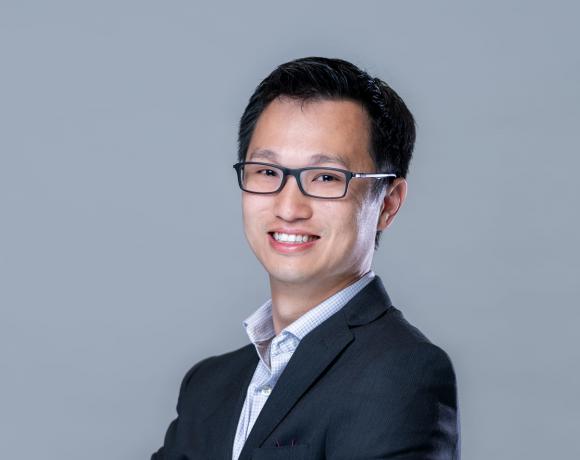
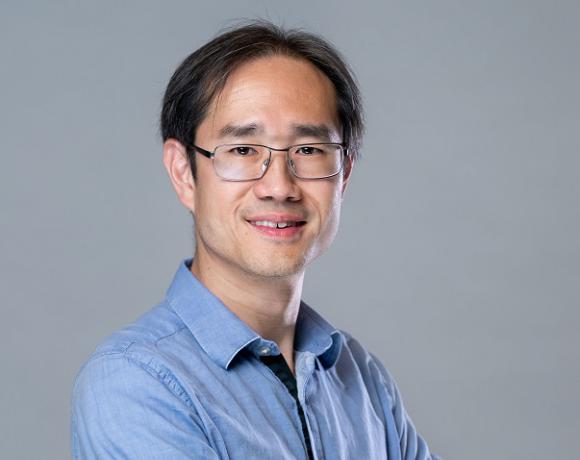
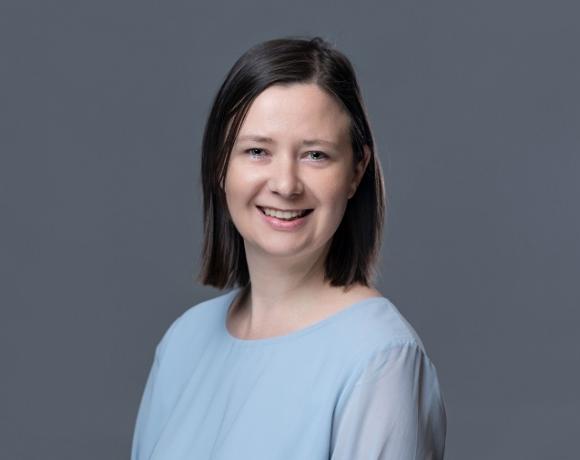
The Aparicio lab studies the genomic and phenotypic behaviour of breast and other cancers. Integrating leading edge technologies with patient-derived xenograft models of cancer, this research is working to better understand how cancer clones evolve and to identify novel strategies for cancer treatment and predictors of response.   

Dr. Aparicio’s research program encompasses the fields of cancer genomics, cancer evolution, single cell biology, mouse genetic models, high throughput screens, small molecule chemical probe development and translational breast cancer research. His work on the molecular taxonomy of breast cancer led to identification of new genes that could change the way breast cancer is diagnosed, and form the basis of next-generation treatments. This discovery was preceded by another breakthrough in decoding the genetic makeup of the most-deadly form of breast cancer, known as triple negative subtype (TNBC). Dr. Aparicio is also working to develop quantitative measures of clonal fitness in patients, including methods for single cell genome sequencing and PDX models of human cancer. He collaborates widely with other groups, with current projects including the genomic and biochemical analysis of lymphoma, ovarian cancer, and several rare pediatric cancers. He was a co-founder of Paradigm Therapeutics (now, Takeda Cambridge) and currently Contextual Genomics Ltd.

For more information about our teams and projects, please visit our lab website.

Members

Faculty/Leaders

Staff

Alexander Shota Adrian-Hamazaki

Bioinformatics Scientist

Mirela Andronescu

Bioinformatics Scientist

Shadi Ansari

Microscopy Engineer

Vinci Au

Research Assistant/Technician

Sean Beatty

Project Manager - Bioinformatics

Peter Eirew

Staff Scientist

Cynthia Ferguson

Research Projects and Operations Leader

Benjamin Furman

Bioinformatics Scientist

BaRun Kim

Research Assistant/Technician

Esther Kong

Project Manager - Clinical Studies

Daniel Lai

Senior Bioinformatics Scientist

Steve McKinney

Staff Scientist

Joseph Micla

Full Stack Developer

Ciara O'Flanagan, PhD

Research Associate

Benoit Prevost-Potvin

Software Architect

Robert Reinert

Data Manager

Teresa Ruiz de Algara

Research Assistant/Technician

Armaghan Sarvar

Bioinformatics Scientist

Yukta Thapliyal

Programmer

Adrian Wan

Laboratory Research and Operations Manager

Damian Yap

Research Associate

Elena Zaikova

Bioinformatics Scientist

Yayuan Zhao

Research Associate

Post-Docs

Viktoriia Cherkasova

Postdoctoral Fellow

Hoa Tran

Postdoctoral Fellow

Students/Trainees

Auden Hafezi

Co-op Student

Eric Lee

Graduate Student

Yi Fei (Eric) Liu

Graduate Student

Avery Claire McGuinness

Directed Studies Student

Sophia Means

Directed Studies Student

Drue Hannah Nooyen

Co-op Student

Jennifer (Jay) Tan

Co-op Student

Natalie Westereng

Co-op Student

Evan Wong

Co-op Student

Johnson Zhong

Co-op Student

Open Positions

Research Assistant/Technician 4

Application Deadline

Staff - Non Union


Job Category

Non Union Technicians and Research Assistants

Job Profile

Non Union Salaried - Research Assistant /Technician 4


Job Title

Research Assistant/Technician 4


Department

Aparicio Laboratory | Department of Pathology and Laboratory Medicine | Faculty of Medicine


Compensation Range

$5,220.98 - $6,124.46 CAD Monthly


Posting End Date

March 8, 2026

Note: Applications will be accepted until 11:59 PM on the Posting End Date.

Job End Date

March 31, 2027

The anticipated start date for this position is April 1, 2026. The term is for one year with the possibility of extension.

In your application please include (1) a cover letter, and (2) a CV or resume.

At UBC, we believe that attracting and sustaining a diverse workforce is key to the successful pursuit of excellence in research, innovation, and learning for all faculty, staff and students. Our commitment to employment equity helps achieve inclusion and fairness, brings rich diversity to UBC as a workplace, and creates the necessary conditions for a rewarding career. 

Job Summary
The Aparicio lab is developing new single-cell genome and transcriptome methods for tracking clonal trajectories at the single-cell level in patient tissues and to gain a better understanding of the tumour microenvironment. Our researchers use the latest single-cell genomics technologies to rapidly identify genes that are involved in the development of cancer. This position will be working on the Single-Cell Genomics Platform on research projects currently ongoing. The successful candidate will be providing technical guidance, expertise, technology development and support to both internal/external researchers using the single-cell genomics platform; located at 2 separate research facilities in Vancouver, B.C.

We are seeking a highly motivated and highly skilled individual with expertise or experience in single-cell genomics, liquid handling robotics, and/or next-generation sequencing with a strong background in molecular biology. The successful applicant will work full-time under the direction and supervision of Dr. Samuel Aparicio, Principal Investigator, and his designate. Individuals with experience using liquid handling robotics and Next-Generations Sequencing techniques are considered an asset. Experience with bioinformatics approaches to biological data and familiarity with the handling of genomics and next-generation sequencing data will be an advantage. This position will provide the candidate with a high level of exposure to single-cell genomics and translational research, as well as, providing opportunities to work collaboratively with industry partners and other researchers globally; the position start date is flexible.

Organizational Status
Aparicio Lab is located in the Department of Basic and Translational Research at BC Cancer Research Institute in Vancouver, British Columbia, Canada. The candidate will report directly to Dr. Samuel Aparicio, or his delegate and Laboratory Research and Operations Manager. In addition, the applicant may assist in overseeing the technical work of students and trainees. 

Work Performed
·         Plans and performs experiments utilizing established complex procedures and/or techniques for investigating single-cell genomics, involving the use of liquid handling robotics and 10x genomics platforms.

·         Collaborates with PI and team members to support the development project pipelines, and technical experiments.   

·         Visualize and analyze cells using microscopy and flow cytometry.

·         Generation, preparation and submission of next-generation sequencing libraries.

·         Using a LIMS system to track and record sample data

·         Provide technical expertise and support in molecular biology, protein biochemistry, tissue culture and virology

·         Develop and implement standard operating protocols (SOPs).

·         Maintains laboratory records and experimental data.

·         Assist in general lab maintenance such as reagent preparation, receiving and inventory of lab supplies.

·         Conducts complex data analysis and interpretation of data resulting from high-throughput experiments.

·         Presents data at scientific meetings, writes reports and contributes to writing ethics and grant applications.

·         Carries out any other related duties as assigned or required in keeping with the qualifications and requirements of this technician level.

Consequence of Error/Judgement
The work is complex and requires a high level of training, tasks are assigned and the incumbent exercises a considerable amount of responsibility, initiative and judgment in determining their work schedule to achieve those tasks. Errors may result in the permanent loss of irreplaceable tissue samples, loss of thousands of dollars of material and/or damage to equipment.  Incorrect decisions or actions may damage the reputation of the laboratory, lead to a loss of credibility in this field, and be financially costly. Noncompliance with biosafety and chemical safety regulations may also result in the closure of the facility or loss of grant funding.

Supervision Received
The successful applicant will work under minimum supervision. From time to time, Principal Investigator or Laboratory Research and Operations Manager may provide specific instructions on unusual problems or new project outlines. This position will report to the Principal Investigator or Laboratory Research and Operations Manager.   

Supervision Given
Depending on experience and expertise, the successful applicant may be required to assist in the training and supervision of graduate students/trainees, junior staff, or external collaborators; including providing instruction on the use of lab equipment and procedures, and will help troubleshoot experiments in their area of expertise.

Minimum Qualifications
Completion of a university degree in a relevant discipline or technical program and a minimum four years of related experience or an equivalent combination of education and experience. Some positions may require a graduate degree.

- Willingness to respect diverse perspectives, including perspectives in conflict with one’s own

- Demonstrates a commitment to enhancing one’s own awareness, knowledge, and skills related to equity, diversity, and inclusion

Preferred Qualifications

·         An MSc in Biological Sciences (Molecular Biology or other relevant fields) with work experience in single-cell genomics biology, next-generation sequencing or molecular biology is preferred

·         Working knowledge and understanding of molecular biology and biochemistry techniques such as next-generation sequencing, PCR, DNA/RNA purification and molecular cloning techniques are essential; prior work experience in next-generation sequencing and library construction is considered a great asset.

·         Experience with cell culture and aseptic technique.

·         Working hands-on experience in tissue handling and tissue dissociation methods would be an asset.

·         Ability to perform and troubleshoot a wide variety of molecular and cellular biology techniques including the following: RNA / DNA isolation, quantitative PCR, transfection, flow cytometry, immunohistochemistry, ELISA, protein isolation, and western blotting.

·         Preference will be given to applicants with liquid handling robotics, single-cell genomics, next-generation sequencing, and 10x Genomics experience.

·         Experience in immunocytochemistry and basic data analysis in R or similar statistics package would be an asset.

·         Demonstrated understanding of experimental design and assay optimization.

·         Strong interpersonal skills, communication skills (orally and written) and the ability to interact positively and productively with other team members are essential.

·         Excellent documentation and organizational skills.

·         Able to multi-task, prioritize and handle multi-project assignments concurrently.

·         The successful candidate must be well-organized, conscientious, understand the importance of detail, and be able to multi-task and prioritize duties effectively.

Selected Publications

Ongoing genome doubling shapes evolvability and immunity in ovarian cancer.

Nature, 2025
McPherson, Andrew, Vázquez-García, Ignacio, Myers, Matthew A, Al-Rawi, Duaa H, Zatzman, Matthew, Weiner, Adam C, Freeman, Samuel, Mohibullah, Neeman, Satas, Gryte, Williams, Marc J, Ceglia, Nicholas, Norkūnaitė, Danguolė, Zhang, Allen W, Li, Jun, Lim, Jamie L P, Wu, Michelle, Choi, Seongmin, Havasov, Eliyahu, Grewal, Diljot, Shi, Hongyu, Kim, Minsoo, Schwarz, Roland F, Kaufmann, Tom, Dinh, Khanh Ngoc, Uhlitz, Florian, Tran, Julie, Wu, Yushi, Patel, Ruchi, Ramakrishnan, Satish, Kim, DooA, Clarke, Justin, Green, Hunter, Ali, Emily, DiBona, Melody, Varice, Nancy, Kundra, Ritika, Broach, Vance, Gardner, Ginger J, Roche, Kara Long, Sonoda, Yukio, Zivanovic, Oliver, Kim, Sarah H, Grisham, Rachel N, Liu, Ying L, Viale, Agnes, Rusk, Nicole, Lakhman, Yulia, Ellenson, Lora H, Tavaré, Simon, Aparicio, Samuel, Chi, Dennis S, Aghajanian, Carol, Abu-Rustum, Nadeem R, Friedman, Claire F, Zamarin, Dmitriy, Weigelt, Britta, Bakhoum, Samuel F, Shah, Sohrab P

Clonal Decomposition and DNA Replication States Defined by Scaled Single-Cell Genome Sequencing.

Cell, 2019
Laks, Emma, McPherson, Andrew, Zahn, Hans, Lai, Daniel, Steif, Adi, Brimhall, Jazmine, Biele, Justina, Wang, Beixi, Masud, Tehmina, Ting, Jerome, Grewal, Diljot, Nielsen, Cydney, Leung, Samantha, Bojilova, Viktoria, Smith, Maia, Golovko, Oleg, Poon, Steven, Eirew, Peter, Kabeer, Farhia, Ruiz de Algara, Teresa, Lee, So Ra, Taghiyar, M Jafar, Huebner, Curtis, Ngo, Jessica, Chan, Tim, Vatrt-Watts, Spencer, Walters, Pascale, Abrar, Nafis, Chan, Sophia, Wiens, Matt, Martin, Lauren, Scott, R Wilder, Underhill, T Michael, Chavez, Elizabeth, Steidl, Christian, Da Costa, Daniel, Ma, Yussanne, Coope, Robin J N, Corbett, Richard, Pleasance, Stephen, Moore, Richard, Mungall, Andrew J, Mar, Colin, Cafferty, Fergus, Gelmon, Karen, Chia, Stephen, , , Marra, Marco A, Hansen, Carl, Shah, Sohrab P, Aparicio, Samuel

Dissociation of solid tumor tissues with cold active protease for single-cell RNA-seq minimizes conserved collagenase-associated stress responses.

Genome biology, 2019
O'Flanagan, Ciara H, Campbell, Kieran R, Zhang, Allen W, Kabeer, Farhia, Lim, Jamie L P, Biele, Justina, Eirew, Peter, Lai, Daniel, McPherson, Andrew, Kong, Esther, Bates, Cherie, Borkowski, Kelly, Wiens, Matt, Hewitson, Brittany, Hopkins, James, Pham, Jenifer, Ceglia, Nicholas, Moore, Richard, Mungall, Andrew J, McAlpine, Jessica N, , , Shah, Sohrab P, Aparicio, Samuel

CX-5461 is a DNA G-quadruplex stabilizer with selective lethality in BRCA1/2 deficient tumours.

Nature communications, 2017
Xu, Hong, Di Antonio, Marco, McKinney, Steven, Mathew, Veena, Ho, Brandon, O'Neil, Nigel J, Santos, Nancy Dos, Silvester, Jennifer, Wei, Vivien, Garcia, Jessica, Kabeer, Farhia, Lai, Daniel, Soriano, Priscilla, Banáth, Judit, Chiu, Derek S, Yap, Damian, Le, Daniel D, Ye, Frank B, Zhang, Anni, Thu, Kelsie, Soong, John, Lin, Shu-Chuan, Tsai, Angela Hsin Chin, Osako, Tomo, Algara, Teresa, Saunders, Darren N, Wong, Jason, Xian, Jian, Bally, Marcel B, Brenton, James D, Brown, Grant W, Shah, Sohrab P, Cescon, David, Mak, Tak W, Caldas, Carlos, Stirling, Peter C, Hieter, Phil, Balasubramanian, Shankar, Aparicio, Samuel

CLK-dependent exon recognition and conjoined gene formation revealed with a novel small molecule inhibitor.

Nature communications, 2017
Funnell, Tyler, Tasaki, Shinya, Oloumi, Arusha, Araki, Shinsuke, Kong, Esther, Yap, Damian, Nakayama, Yusuke, Hughes, Christopher S, Cheng, S-W Grace, Tozaki, Hirokazu, Iwatani, Misa, Sasaki, Satoshi, Ohashi, Tomohiro, Miyazaki, Tohru, Morishita, Nao, Morishita, Daisuke, Ogasawara-Shimizu, Mari, Ohori, Momoko, Nakao, Shoichi, Karashima, Masatoshi, Sano, Masaya, Murai, Aiko, Nomura, Toshiyuki, Uchiyama, Noriko, Kawamoto, Tomohiro, Hara, Ryujiro, Nakanishi, Osamu, Shumansky, Karey, Rosner, Jamie, Wan, Adrian, McKinney, Steven, Morin, Gregg B, Nakanishi, Atsushi, Shah, Sohrab, Toyoshiba, Hiroyoshi, Aparicio, Samuel

Divergent modes of clonal spread and intraperitoneal mixing in high-grade serous ovarian cancer.

Nature genetics, 2016
McPherson, Andrew, Roth, Andrew, Laks, Emma, Masud, Tehmina, Bashashati, Ali, Zhang, Allen W, Ha, Gavin, Biele, Justina, Yap, Damian, Wan, Adrian, Prentice, Leah M, Khattra, Jaswinder, Smith, Maia A, Nielsen, Cydney B, Mullaly, Sarah C, Kalloger, Steve, Karnezis, Anthony, Shumansky, Karey, Siu, Celia, Rosner, Jamie, Chan, Hector Li, Ho, Julie, Melnyk, Nataliya, Senz, Janine, Yang, Winnie, Moore, Richard, Mungall, Andrew J, Marra, Marco A, Bouchard-Côté, Alexandre, Gilks, C Blake, Huntsman, David G, McAlpine, Jessica N, Aparicio, Samuel, Shah, Sohrab P

The somatic mutation profiles of 2,433 breast cancers refines their genomic and transcriptomic landscapes.

Nature communications, 2016
Pereira, Bernard, Chin, Suet-Feung, Rueda, Oscar M, Vollan, Hans-Kristian Moen, Provenzano, Elena, Bardwell, Helen A, Pugh, Michelle, Jones, Linda, Russell, Roslin, Sammut, Stephen-John, Tsui, Dana W Y, Liu, Bin, Dawson, Sarah-Jane, Abraham, Jean, Northen, Helen, Peden, John F, Mukherjee, Abhik, Turashvili, Gulisa, Green, Andrew R, McKinney, Steve, Oloumi, Arusha, Shah, Sohrab, Rosenfeld, Nitzan, Murphy, Leigh, Bentley, David R, Ellis, Ian O, Purushotham, Arnie, Pinder, Sarah E, Børresen-Dale, Anne-Lise, Earl, Helena M, Pharoah, Paul D, Ross, Mark T, Aparicio, Samuel, Caldas, Carlos

The genomic and transcriptomic architecture of 2,000 breast tumours reveals novel subgroups.

Nature, 2012
Curtis, Christina, Shah, Sohrab P, Chin, Suet-Feung, Turashvili, Gulisa, Rueda, Oscar M, Dunning, Mark J, Speed, Doug, Lynch, Andy G, Samarajiwa, Shamith, Yuan, Yinyin, Gräf, Stefan, Ha, Gavin, Haffari, Gholamreza, Bashashati, Ali, Russell, Roslin, McKinney, Steven, , , Langerød, Anita, Green, Andrew, Provenzano, Elena, Wishart, Gordon, Pinder, Sarah, Watson, Peter, Markowetz, Florian, Murphy, Leigh, Ellis, Ian, Purushotham, Arnie, Børresen-Dale, Anne-Lise, Brenton, James D, Tavaré, Simon, Caldas, Carlos, Aparicio, Samuel


The clonal and mutational evolution spectrum of primary triple-negative breast cancers.

Nature, 2012
Shah, Sohrab P, Roth, Andrew, Goya, Rodrigo, Oloumi, Arusha, Ha, Gavin, Zhao, Yongjun, Turashvili, Gulisa, Ding, Jiarui, Tse, Kane, Haffari, Gholamreza, Bashashati, Ali, Prentice, Leah M, Khattra, Jaswinder, Burleigh, Angela, Yap, Damian, Bernard, Virginie, McPherson, Andrew, Shumansky, Karey, Crisan, Anamaria, Giuliany, Ryan, Heravi-Moussavi, Alireza, Rosner, Jamie, Lai, Daniel, Birol, Inanc, Varhol, Richard, Tam, Angela, Dhalla, Noreen, Zeng, Thomas, Ma, Kevin, Chan, Simon K, Griffith, Malachi, Moradian, Annie, Cheng, S-W Grace, Morin, Gregg B, Watson, Peter, Gelmon, Karen, Chia, Stephen, Chin, Suet-Feung, Curtis, Christina, Rueda, Oscar M, Pharoah, Paul D, Damaraju, Sambasivarao, Mackey, John, Hoon, Kelly, Harkins, Timothy, Tadigotla, Vasisht, Sigaroudinia, Mahvash, Gascard, Philippe, Tlsty, Thea, Costello, Joseph F, Meyer, Irmtraud M, Eaves, Connie J, Wasserman, Wyeth W, Jones, Steven, Huntsman, David, Hirst, Martin, Caldas, Carlos, Marra, Marco A, Aparicio, Samuel

Projects

Tumour heterogeneity and clonal dynamics of breast cancer

Cancer is a dynamic disease, and as a result a single tumour mass may comprise a diverse collection cancer clones with distinct phenotypes, mutations or sensitivity to treatment. Integrating deep and single cell genomic and transcriptomic sequencing with statistical modeling of clonal fitness, our lab is developing methods to study and predict the clonal dynamics of cancer in PDX and cell models, under natural and selective pressures such as drug intervention or CRISPR knockout.

Methods for studying cancers at single cell resolution

Single cell sequencing technologies allow the study of phenomena such as tumour heterogeneity, clonal dynamics, tissue microenvironments as well as the identification of novel and intermediary cell types, which may not be easily resolved with bulk sequencing strategies. Our lab has developed methods for the surveying of single cell genomics, and integrates them with methods to study the epigenome and transcriptome at single cell resolution, as well as with imaging techniques for spatial context

Sponsors

Back to top