A new study published in Genetics in Medicine examines how systemic barriers in health care shape Indigenous families’ views about genomic medicine in British Columbia. The research finds that physical and relational barriers to access, experiences of racism and persistent demands for self-advocacy impose resilience as a condition of care for Indigenous families. The study describes this dynamic as forced resilience, highlighting how it undermines equitable access to genomic medicine.
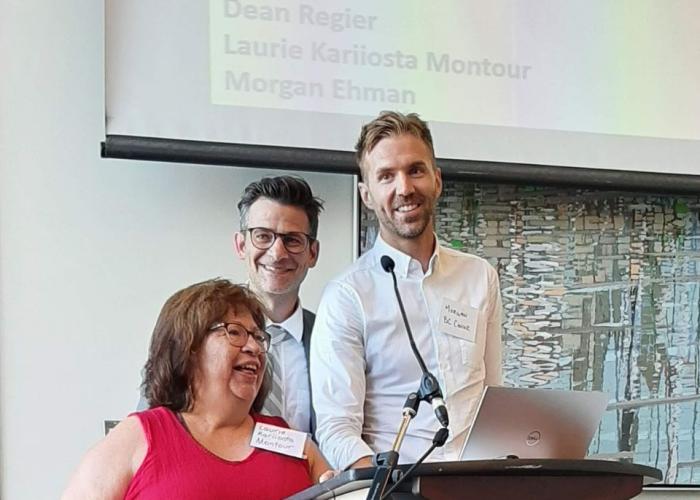
The study was co-led by an Indigenous Advisory Council and researchers from the Regulatory Science Lab at BC Cancer Research Institute and the University of British Columbia, including principal investigator Dr. Dean Regier and health economist Morgan Ehman, and conducted in partnership with the First Nations Health Authority. It is part of the Silent Genomes Project at BC Children’s Hospital Research Institute, a project seeking to address the ‘genomic divide’ caused by the lack of background genetic variation data for Indigenous populations in Canada.
Forced resilience: Indigenous perspectives on systemic barriers and humanizing genomic medicine in British Columbia, Canada draws on virtual talking circles with Indigenous adults that explored their perspectives on diagnostic genome sequencing for children with suspected rare diseases like certain cancers. Sessions were facilitated by Laurie Montour (Kanien'kehá:ka, the Mohawk Nation of Kahnawà:ke), a member of both the research team and Advisory Council. Participants expressed optimism toward the diagnostic benefits of sequencing but shared concerns about the broader health care context in which it is delivered. They explained that past harmful health care encounters, such as inappropriate and irrelevant questioning about their Indigenous identity or substance use, or being forced to advocate for their family’s care, shape whether and how families engage with genomic services and heighten worries about how test results might be misused.
The research highlights a need for a more holistic understanding of health care accessibility, one that extends beyond physical access to also attend to individuals’ mental, emotional and spiritual well-being. Humanizing health care practices, such as building trusting patient-clinician relationships, expanding the availability of Indigenous patient navigators, and integrating Indigenous knowledge and Elder supports, can help create more equitable and inclusive genomic services for Indigenous families.
While genomic medicine has transformed the diagnosis and management of rare diseases and cancers, its benefits are not equitably distributed. Systemic health care barriers and limited representation in genomic research mean that Indigenous children may experience longer and more complex paths to receiving a diagnosis. The study emphasizes that addressing these challenges requires system-level reforms to health care environments, sustained investment in Indigenous workforce capacity, and intentional efforts to build trusting relationships and foster cultural safety. Equitable genomic medicine depends on both inclusive genomic science and humanizing care for Indigenous families.
“Awareness is growing, yet Indigenous families still shoulder the work of advocating for their loved ones within a system shaped by racism. These findings make clear that awareness alone will not change that,” Montour explains. “Canada's Constitutional obligations to inherent, treaty and Aboriginal rights extend to health and health research. Despite Canada investing hundreds of millions of dollars in genomics and genomic research, meaningful consultation and informed consent with Indigenous governments remain largely absent. Forced resilience is the real-life cost of a system that has not yet fulfilled its commitments to Indigenous peoples.”
“Addressing inequitable access to timely rare disease diagnosis for Indigenous children and families requires more than biomedical innovation,” says Dr. Regier. “It requires sustained policy and health system action to address structural barriers, reduce the burden placed on families, and deliver partnered, equitable and humanized care.”
The Silent Genomes Project is supported by funding from Genome British Columbia, Genome Canada, the BC Children’s Hospital Foundation and the Provincial Health Services Authority.
Congratulations to all authors and study partners on this important and impactful publication!